Biohazard Cleanup
Safe, careful removal of bodily fluids and other infectious material, finished with hospital-grade disinfection.
Learn more →Utah · Utah County
Has a crime, an accident or an unattended death left a mess in Provo? Police and paramedics do not clean up afterward, so you need cleaners to remove blood, bodily fluids and contaminated materials. Call (877) 812-4220.
If anyone is in danger, call 911 first. For a suicide crisis, call or text 988.
In plain terms, biohazard cleanup is decontamination after something harmful to health has been left behind. If you need cleanup in Provo, UT after a death, violent event, accident, spill or unsafe living conditions, call Provo Biohazard Cleanup Help and get a biohazard cleanup team ready for the job.
The goal is simple: nothing harmful left behind. Technicians work in protective gear, treat the whole affected area, remove contaminated materials and keep cleaning until the space is livable again. This work is available in Provo, across Utah County and in towns like Orem.
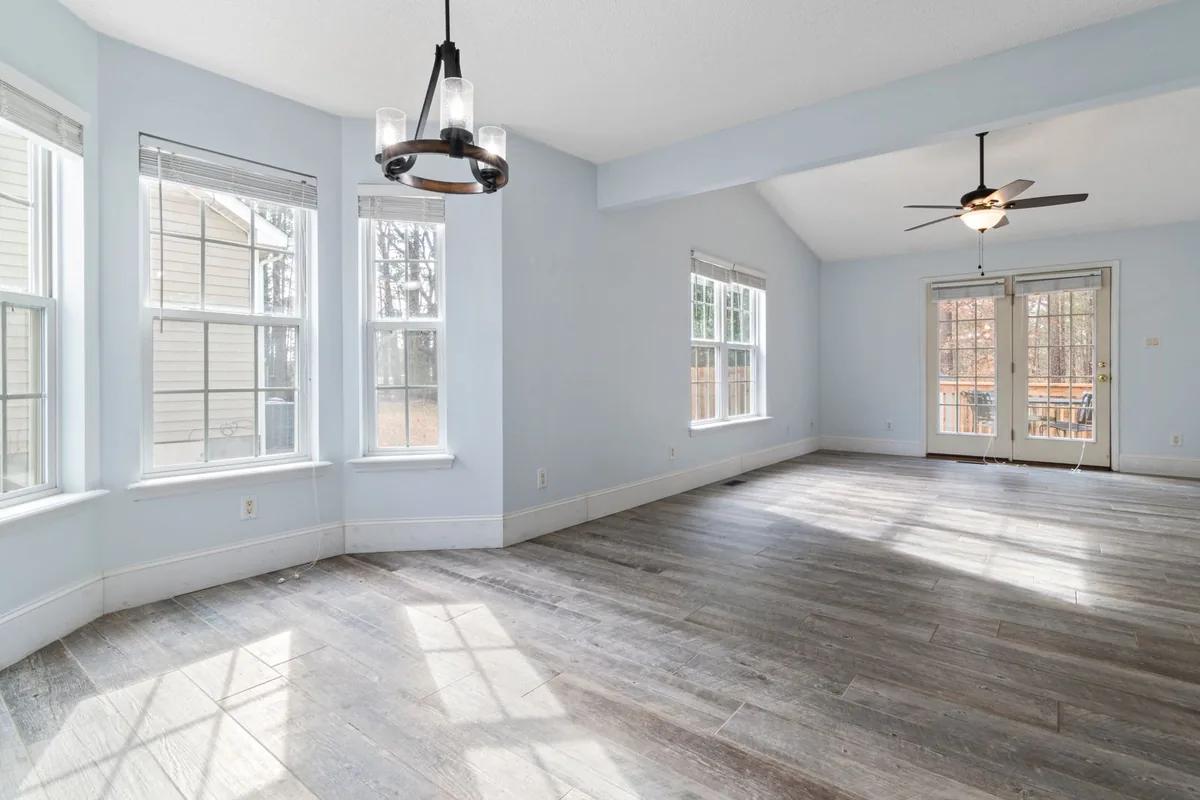
Homes in Provo have a median build year of 1983, older than most homes across Utah. Older carpet, wood subfloors and trim take in fluids deeply, so more material may need removal. Older adults make up about 7% of residents in Provo, below the Utah average, so calls come from a broad mix of situations, including accidents, crime scenes and rental turnovers.
Biohazard remediation is more than wiping a surface. The cleanup team plans the work around OSHA's bloodborne pathogen rules (29 CFR 1910.1030), then uses PPE, containment and careful removal steps that keep exposure low for everyone nearby.
Real decontamination reaches what the eye cannot see. Fluids travel under flooring and into baseboards, so crews check beneath and behind surfaces, remove affected materials and disinfect the exposed area before odor treatment begins.
Property owners and managers in Provo can call Provo Biohazard Cleanup Help about any of the biohazard services listed here, and the cleanup team will say which one fits the situation.
Safe, careful removal of bodily fluids and other infectious material, finished with hospital-grade disinfection.
Learn more →Discreet forensic cleaning for homes, rentals, businesses and vehicles, with odor removal and waste disposal.
Learn more →Contaminated carpet, drywall and debris removed, with every affected surface disinfected and inspected.
Learn more →Cleaning, disinfection and odor removal after a death that was not found right away.
Learn more →Compassionate cleaning after a loss, with keepsakes set aside and the room returned safe.
Learn more →Murder scene cleanup for homes, rentals, businesses and vehicles, handled privately with protective gear.
Learn more →Dried and set-in blood lifted from tile, wood and fabric, with odor treated once the cleanup is done.
Learn more →Human feces cleanup and removal in homes, rentals and workplaces, with odor treatment included.
Learn more →Urine and feces cleanup that removes soaked carpet, mattresses and furniture and sanitizes the affected area.
Learn more →Decomposition odor removal that treats flooring, walls and air after an unattended death.
Learn more →Hoarder house cleaning with the heavy lifting, disposal and sanitizing taken care of.
Learn more →Hoarding cleanouts for estates, sales and rentals, done carefully and without judgment.
Learn more →Ammonia odor, urine and feces cleaned from floors, walls and air after animals are removed.
Learn more →Squalor cleanup that removes filth, waste and spoiled food, then scrubs and disinfects every room.
Learn more →Category 3 cleanup with protective gear, sealed disposal and EPA-registered disinfectants.
Learn more →Biohazard decontamination after outbreaks, with protective gear, set order of work and sealed disposal of waste.
Learn more →Cleaning first, disinfecting second: a careful process that targets the germs, not only the stain.
Learn more →Biohazard waste pickup and disposal for homes, small clinics and care facilities across your area.
Learn more →Needle and sharps cleanup: syringes found, collected with tools and disposed of in sealed containers.
Learn more →Cleanup after police release: items, residue and soiled materials handled without judgment.
Learn more →Meth lab cleanup: residue testing, removal of contaminated materials and decontamination of the property.
Learn more →Decontamination for rentals, motels, offices and vehicles after drug incidents and responder visits.
Learn more →Toxic waste cleanup that identifies the substance, cleans affected surfaces and follows disposal rules.
Learn more →Hazardous materials contained, removed and hauled away after spills, leaks and accidents.
Learn more →Pepper spray cleanup that lifts oily residue from surfaces without spreading it to clean rooms.
Learn more →Rodent infestation cleanup after pest control, with odor removal and sanitizing of the affected area.
Learn more →Histoplasmosis-aware cleanup with respirators, HEPA filtration and sealed disposal of guano.
Learn more →Gentle, private cleanup after a pet or wild animal has died at your home or business.
Learn more →Biohazard car detailing after an accident, a crime or a medical emergency in or near the cabin.
Learn more →Injury scene cleaners remove soaked materials, treat odor and prepare records for employers and insurers.
Learn more →Workplace biohazard cleanup that contains the area, removes contamination and documents the work for insurers.
Learn more →Estate cleanout after a death, handled step by step at the family's pace.
Learn more →The first step is deciding what is unsafe and how far the contamination goes. Hazards such as sharps, broken glass or sewage are noted before anyone starts.
The crew takes photos and notes of the affected areas and the work done. Homeowners insurance companies, landlords and compensation programs often ask for these records.
Crews in protective gear remove contaminated materials, clean every surface and disinfect with EPA-registered products. Waste is sealed and carried out as regulated medical waste.
Odor and surface checks confirm the result, then biohazard waste is removed from the property under medical waste rules.
A cleanup specialist explains the steps, the likely cost range and what the property owner needs to do next, in everyday words.
Hoarded homes, neglected rentals and difficult situations are treated with dignity. The only goal is a safe, clean space again.
Photos, documents, jewelry and keepsakes are set aside for the family whenever they can be safely saved.
A final inspection, with odor and surface checks where they help, confirms the area is safe before the cleanup is called complete.
Biohazard cleanup in Provo, UT typically costs $500 to $25,000, depending on the type of biohazard, the size of the affected area and how far fluids soaked into porous materials.
Most residential jobs cost $3,000 to $5,000 (Fixr). Access and building type play a role too. A vehicle, a single bathroom, a rental unit and a large commercial space all call for different crews, equipment and hours.
| Type of job | Typical range |
|---|---|
| Blood spill cleanup, small area | $500 - $2,500 |
| Crime scene cleanup, most homes | $1,500 - $7,500 |
| Unattended death cleanup | $2,000 - $7,000 |
| Suicide cleanup | $1,500 - $5,500 |
| Sewage cleanup, most homes | $2,000 - $10,000 |
| Hoarding cleanup, level 3 home | $2,000 - $5,000 |
| Meth lab cleanup, typical | $15,000 - $20,000 |
Estimates only, not a quote. Sources: Fixr, Yelp Costs, BioCleaners Directory, PushLeads, Dropcurb, Bob Vila and cleanup company cost guides. Call (877) 812-4220 to talk through the job.
Falls, power tool injuries, farm and industrial accidents and car crashes can leave blood and tissue behind. Accident scene cleanup removes the trace so the space can be used again.
Hoarder homes can hide rotting food, animal waste, mold and pests, along with fire and structural hazards. Hoarding cleanup sorts belongings and restores a livable condition.
Cars, trucks and work vehicles can carry biohazards after an accident, assault or medical event. Vehicle cleanup removes contaminated upholstery and disinfects every surface and vent.
When a death goes unnoticed for days, decomposition fluids reach flooring and subfloor and the odor spreads. Death cleanup removes the affected materials and treats the odor at the source.
Attics, barns and sheds can hold droppings, guano and carcasses that carry disease. Careful removal and disinfection protect the people who go back in.
About 46% of homes in Provo were built before 1980, and older carpet, subfloor and trim hold fluids deeper, which can mean more material to remove.
The word biohazard covers blood, tissue, decomposition, sharps, waste and some residues. Each carries different health risks, and each calls for its own cleaning and disposal approach.
Yes. Dried blood can still carry bloodborne pathogens. The CDC notes hepatitis B can survive on surfaces for at least seven days, and scraping dried blood releases particles. It should be handled with PPE and disinfected.
The cost depends on the type of contamination, the size of the area, how many porous materials must be removed, odor treatment and waste disposal. A small spill costs far less than an unattended death or a hoarded home. The cleanup team explains the cost range after hearing the details.
The body is removed by a funeral home or the authorities. Cleaning the room afterwards is not their job; the family, landlord or estate hires biohazard cleaners for death cleanup, decomposition removal and odor removal.
A biohazard is any biological material that can carry germs and make people sick. Common examples are blood, bodily fluids, tissue, sewage, used needles, animal waste and the fluids from decomposition. Anything that has touched them can also become contaminated.
It means discreet removal of blood, bodily fluids and affected materials, followed by full disinfection and odor treatment, so the family never has to face the scene. If you or someone you know is thinking about suicide, call or text 988 to reach the 988 Suicide and Crisis Lifeline.
Call 911 if anyone is in danger. Keep everyone out of the affected area, do not clean anything, and wait for law enforcement to release the scene. Then call your insurance company and a biohazard cleaning company to plan the cleanup.
Heat speeds decomposition. With an average July high of 95 degrees in Provo, fluids and odor can spread faster, so the sooner the scene is released and cleaned the better.
They can. About 46% of homes in Provo were built before 1980, and older carpet, subfloor and trim absorb fluids deeply. The crew inspects each home to see how far the contamination went.
Nearby towns such as Orem and Springville are part of the Provo service area. Property owners in Utah County can call (877) 812-4220 for biohazard removal at any hour.
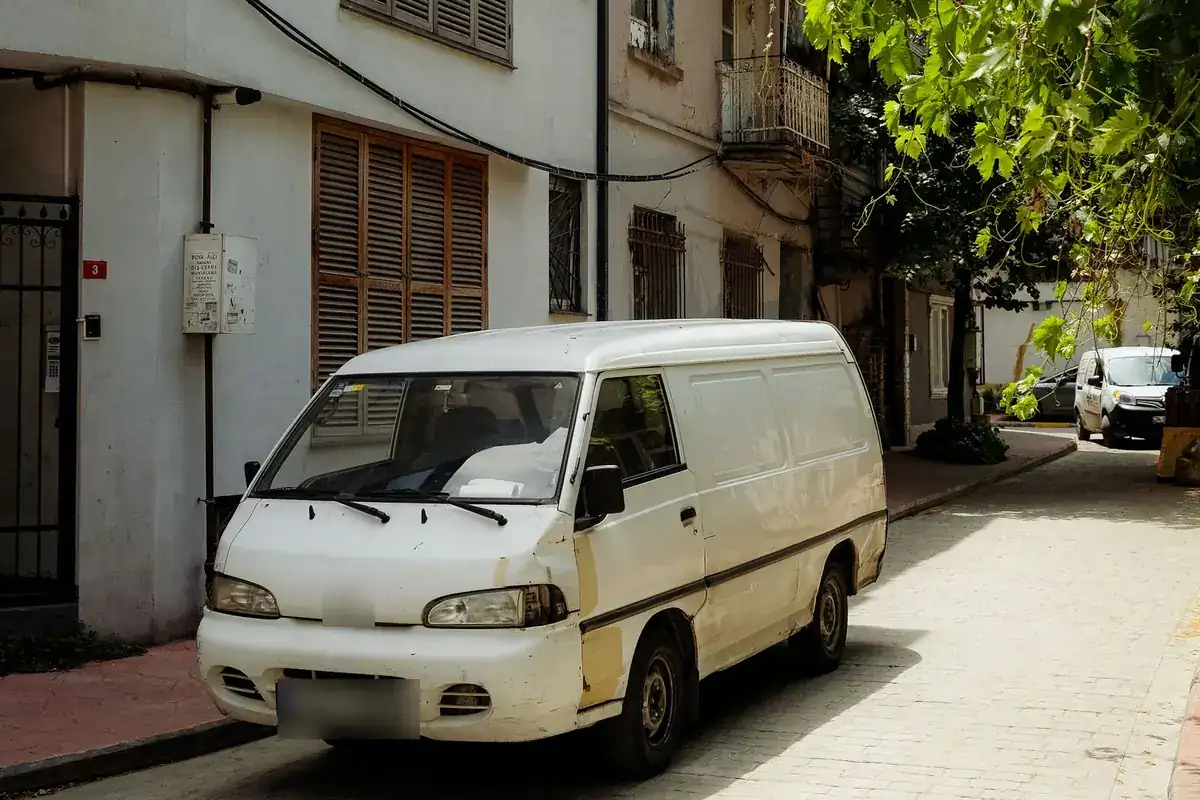
Crews work in unmarked vehicles, so the job stays private.
Call (877) 812-4220